
South Sea Pearls: A Guide
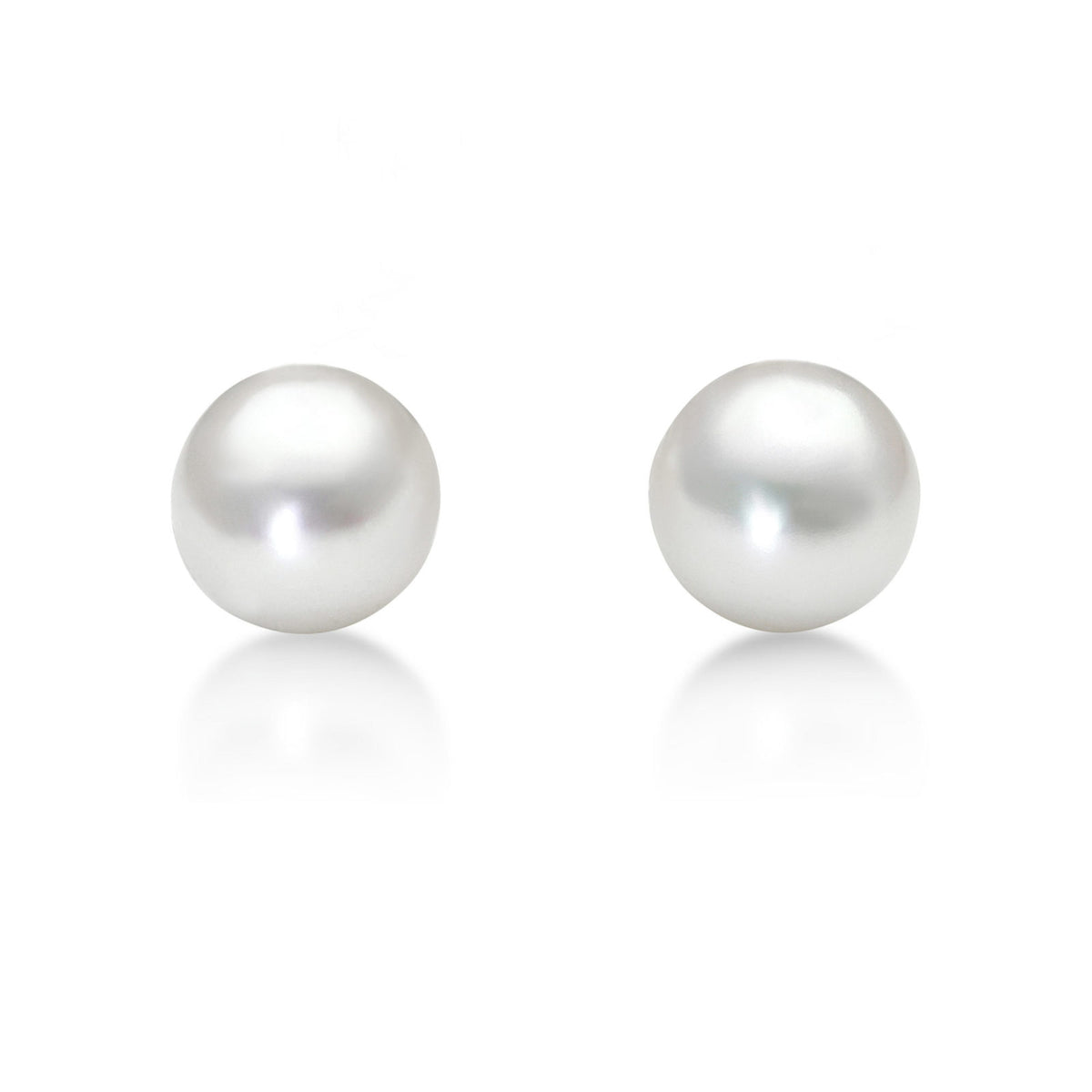
Of all the world's pearls, few are as admired as the South Sea pearl. Generous in size, soft in colour and glowing with a deep lustre, it is a pearl with a special connection to Australia.
In this guide
- What is a South Sea pearl?
- Colours
- Size
- What to look for
- How to wear them
- Caring for your pearls
1. What is a South Sea pearl?
South Sea pearls are grown by the large Pinctada maxima oyster. Most white South Sea pearls come from the northwest coast of Australia, with golden pearls also grown in the Philippines and Indonesia. Because the oyster is so large, it can grow larger pearls with thick, beautiful nacre, the layers that give a pearl its glow.
2. Colours
South Sea pearls are known for two classic colours: white, often with soft silver or pink overtones, and golden, ranging from pale champagne to deep gold.
3. Size
South Sea pearls are among the largest pearls in the world, typically from around 8mm to 20mm.
4. What to look for
- Lustre: the depth of glow and reflection on the surface. The most important quality of all.
- Surface: pearls are natural creations and most have small marks. The cleaner the surface, the rarer the pearl.
- Shape: perfectly round pearls are the rarest, but drop and baroque shapes have their own charm.
- Size and colour: a matter of personal taste, and of what flatters you best.
5. How to wear them
A single pearl pendant or a pair of pearl studs is effortless every day. A strand or a pair of drops adds instant elegance to evening wear. Explore our South Sea pearls, including pearl earrings, pendants and bracelets.
6. Caring for your pearls
Pearls are softer than gemstones and need gentle care. Put them on last, after perfume and cosmetics, and wipe them with a soft cloth after wearing. Store them separately from other jewellery so they cannot be scratched, and never place them in an ultrasonic cleaner.
Pearls are best appreciated in person, where you can see their glow. We would love to show you our collection.